

Transform Your Space with Expert Design Planning Tips

Transforming a home is a significant undertaking. It requires careful thought, planning, and execution. I have learned that expert design planning is the key to achieving a space that is both functional and visually appealing. This post will guide you through practical steps and considerations to help you transform your living space effectively.
Why Expert Design Planning Matters
Design planning is more than choosing colours and furniture. It involves understanding how a space will be used and how to maximise its potential. Without a clear plan, projects can become costly and chaotic. Expert design planning helps avoid these pitfalls by providing a roadmap.
A well-thought-out plan considers:
Space utilisation
Lighting and ventilation
Storage solutions
Style consistency
Budget management
For example, a small kitchen can feel cramped without proper layout planning. An expert will suggest ways to open up the space, improve workflow, and add storage without cluttering the room.
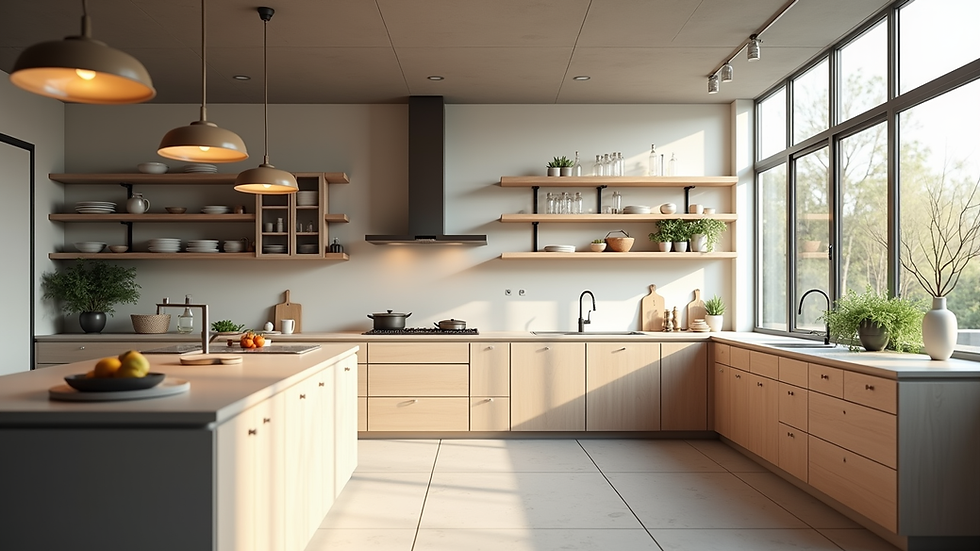
Expert Design Planning Tips for Your Home Transformation
When planning a home transformation, I focus on several key areas to ensure success. Here are some expert tips that can help you:
Start with a clear brief
Define what you want to achieve. List your needs, preferences, and any must-haves. This will guide all decisions.
Assess the existing space
Measure rooms accurately. Note structural elements like windows, doors, and load-bearing walls.
Prioritise functionality
Think about how you use each room daily. Design should support your lifestyle.
Choose a cohesive style
Select a design style that suits your taste and complements the rest of your home.
Plan lighting carefully
Combine natural and artificial lighting. Use task lighting where needed.
Incorporate storage solutions
Use built-in storage to reduce clutter and maximise space.
Set a realistic budget
Include a contingency fund for unexpected costs.
Work with professionals
Collaborate with architects, designers, and contractors who understand your vision.
By following these tips, you can avoid common mistakes and create a home that feels both comfortable and stylish.
What is the PDS in policing?
The term PDS in policing stands for Police Designated Specialist. These specialists provide expert advice and support in various areas such as crime scene management, forensic analysis, and operational planning. Their role is to ensure that police operations are efficient and effective, often working closely with other departments to deliver specialised knowledge.
Understanding the role of PDS can be useful when considering security and safety features in home design. For example, integrating security systems or designing safe access points can benefit from expert advice similar to that provided by PDS professionals.
Incorporating Practical Design Elements
Practicality is essential in any home transformation. I always recommend focusing on elements that improve daily living. Here are some practical design considerations:
Durable materials: Choose materials that withstand wear and tear, especially in high-traffic areas.
Easy maintenance: Select finishes and surfaces that are easy to clean.
Energy efficiency: Use insulation, double glazing, and energy-efficient appliances to reduce bills.
Accessibility: Design spaces that are easy to navigate for all family members.
Flexible spaces: Create rooms that can serve multiple purposes, such as a guest room that doubles as a home office.
For example, installing underfloor heating can improve comfort and reduce energy use. Similarly, adding large windows can increase natural light, making rooms feel larger and more inviting.

How to Choose the Right Design Partner
Choosing the right design partner is crucial. They will guide you through the process and help bring your vision to life. Here are some tips for selecting a design professional:
Check credentials: Look for qualifications and memberships in professional bodies.
Review portfolios: Examine past projects to see if their style matches your taste.
Ask for references: Speak to previous clients about their experience.
Discuss your brief: Ensure they understand your goals and can offer practical solutions.
Clarify costs: Get a clear breakdown of fees and what is included.
Communication: Choose someone who listens and communicates clearly.
A good design partner will also be familiar with local regulations and building codes, which is essential for a smooth project.
Final Thoughts on Transforming Your Home
Transforming your home is a rewarding process when done right. Expert design planning is the foundation of a successful project. It helps you avoid costly mistakes and ensures the final result meets your needs.
If you are in London or the Home Counties, consider working with a trusted design studio. For example, pds london offers comprehensive design and architectural services tailored to full home transformations. Their expertise can help you achieve the lifestyle you want.
Remember, a well-planned design is an investment in your home’s future. Take the time to plan carefully, work with professionals, and focus on practical solutions. Your transformed space will be a place you enjoy for years to come.


Comments